- New

 Payment suited to your country
Delivery in Poland: BLIK or PKO bank transfer. Abroad: Revolut or SEPA transfer in EUR. Full details after placing your order.
 Shipped from Poland
InPost parcel lockers in Poland approx. 72 hours from payment. International letter: Europe approx. 21 days, outside the EU approx. 30 days.
 Any questions?
Write to us via the contact form – please quote your order number.
WARNING: Chemical reagent intended solely for laboratory, research and analytical purposes. NOT FOR HUMAN OR ANIMAL CONSUMPTION. It is not a medicinal product, dietary supplement or food.
Melatonin (N-acetyl-5-methoxytryptamine) is a naturally occurring indoleamide organic compound and a metabolite of serotonin within the tryptophan pathway. As a laboratory reagent, melatonin is a high-purity analytical standard widely used in chronobiological and neurochemical research as well as in analytical chemistry. The molecule combines an indole moiety, a methyl ether and an amide group, making it an interesting subject for studies of the reactivity and stability of heterocyclic compounds. The material offered here has a declared purity of ≥99%, ensuring reproducibility and reliability of results in quantitative applications.
| IUPAC name | N-[2-(5-methoxy-1H-indol-3-yl)ethyl]acetamide |
| Synonyms | melatonin, N-acetyl-5-methoxytryptamine, MLT |
| CAS number | 73-31-4 |
| Molecular formula | C13H16N2O2 |
| Molar mass | 232.28 g/mol |
| Appearance | white to pale-yellow crystalline powder |
| Solubility | poorly soluble in water; soluble in ethanol, methanol and DMSO |
| Melting point | approx. 116–118 °C |
| Boiling point | no data |
| Purity | ≥99% |
Melatonin is widely used as a reference standard in liquid chromatography coupled with mass spectrometry (LC-MS/MS) and in HPLC methods with fluorescence detection, where its characteristic spectral properties allow precise quantitative determinations. In neurochemical and chronobiological research the compound serves as a model material in studies of indoleamine metabolic pathways and antioxidant mechanisms at the molecular level. Melatonin is also a valuable substrate in work on free-radical scavenging reactions and in photostability studies of indole compounds, since the methoxy and amide groups influence its susceptibility to oxidation and degradation. In analytical chemistry it is used as a standard for validating methods for determining trace amounts of biogenic amines in biological and environmental samples. The material is intended solely for laboratory applications carried out by qualified personnel. Because of its light sensitivity, storage in UV-protective packaging, in a cool and dry place, is recommended to maintain the stability and declared purity of the reagent.
Melatonin ≥99% — chemical reagent for laboratory, research and analytical use. Not for human or animal consumption.
Chlodantane (Chlodantan) ≥99% — chemical reagent for laboratory, research and analytical use. Not for human or animal consumption.
5-HTP ≥99% — chemical reagent for laboratory, research and analytical use. Not for human or animal consumption.
Tadalafil ≥99% — chemical reagent for laboratory, research and analytical use. Not for human or animal consumption.
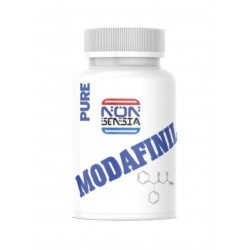
Modafinil ≥99% — chemical reagent for laboratory, research and analytical use. Not for human or animal consumption.
Pregabalin ≥99% — chemical reagent for laboratory, research and analytical use. Not for human or animal consumption.
Sildenafil ≥99% — chemical reagent for laboratory, research and analytical use. Not for human or animal consumption.
Tianeptine (acid) ≥99% — chemical reagent for laboratory, research and analytical use. Not for human or animal consumption.
FLUMOLINA ≥99% — chemical reagent for laboratory, research and analytical use. Not for human or animal consumption.
Paracetamol ≥99% — chemical reagent for laboratory, research and analytical use. Not for human or animal consumption.
Mebicar ≥99% — chemical reagent for laboratory, research and analytical use. Not for human or animal consumption.
L-DOPA (Levodopa) ≥99% — chemical reagent for laboratory, research and analytical use. Not for human or animal consumption.
Alpha-GPC ≥99% — chemical reagent for laboratory, research and analytical use. Not for human or animal consumption.
Taurine ≥99% — chemical reagent for laboratory, research and analytical use. Not for human or animal consumption.
Hemantane ≥99% — chemical reagent for laboratory, research and analytical use. Not for human or animal consumption.
FLModafinil ≥99% — chemical reagent for laboratory, research and analytical use. Not for human or animal consumption.
Caffeine ≥99% — chemical reagent for laboratory, research and analytical use. Not for human or animal consumption.